Loading...
Marine & Offshore

Ship Building

Building And Repairing Ocean-Going Vessels
Sector Overview

Building And Repairing Ocean-Going Vessels

Shipbuilding is the construction of vessels in a shipyard, from first design studies through steel fabrication and outfitting to sea trials and delivery. Around 80% of world merchandise trade by volume moves by sea, so the yards that build, convert and repair that fleet sit directly underneath global commerce.

Modern yards build in blocks. The hull is divided into large sections that are fabricated and pre-outfitted in covered workshops, then craned into a dry dock or building berth and joined. Moving work off the dock and into a controlled environment shortens the build programme and produces better, more repeatable welds.

Every commercial vessel is built to the rules of a classification society and to conventions adopted by the International Maritime Organization, a United Nations agency. Class covers hull structure and machinery; IMO instruments such as SOLAS, MARPOL and the Ballast Water Management Convention cover safety and pollution prevention.

Design & class approval

Block fabrication

Hull outfitting

Dry-docking & repair

Sea trials & delivery

Survey & certification
Talk To Our Desk
0

of world merchandise trade by volume moves by sea

UNCTAD, Review of Maritime Transport

0

of world merchant tonnage sails under SOLAS contracting States

IMO, SOLAS 1974

0

global sulphur limit for marine fuel oil since 2020

IMO 2020 sulphur cap

0

years is the usual design life of a commercial vessel

Common industry design basis

The Build Sequence

From Drawing Board To Delivery

01
Concept & Basic Design

Hull form, general arrangement, stability and powering are settled and submitted to a classification society for approval in principle.

02
Detail Design & Steel Order

A 3D product model generates nesting and cutting files along with the bill of material; plate and profile are ordered in class-approved steel grades.

03
Block Fabrication

Plates are cut, formed and welded into panels, then into three-dimensional blocks. Each block is checked dimensionally before it leaves the workshop.

04
Pre-Outfitting

Pipework, cable trays, foundations and insulation go in while the block is still open and accessible, rather than later inside a confined hull.

05
Erection & Float-Out

Blocks are lifted into the dock in a planned sequence and joined. Once the hull is watertight the dock is flooded and the vessel floats out.

06
Commissioning & Sea Trials

Machinery is run up alongside, then speed, manoeuvring, anchoring and endurance trials are run at sea before class and flag certificates are issued.

Capabilities

What The Sector Covers

Vessel Types

Bulk carriers, tankers, container ships, general cargo vessels and gas carriers each carry distinct structural, tank and cargo-handling requirements.

Class & Flag

A classification society approves structure and machinery and surveys the build; the flag State issues the statutory certificates required under IMO conventions.

Repair & Conversion

Scheduled dry-docking covers hull cleaning and coating, steel renewal, propeller and shaft work, and retrofits such as ballast water treatment systems.

In The Yard

Construction, Cargo And Craft

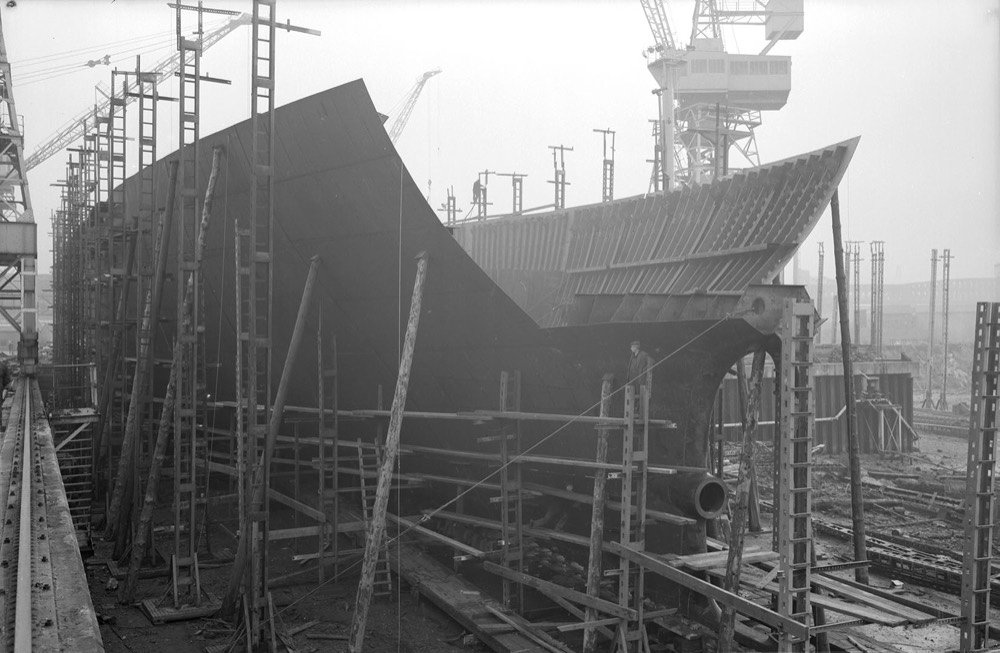
Stern frame set in place during hull erection
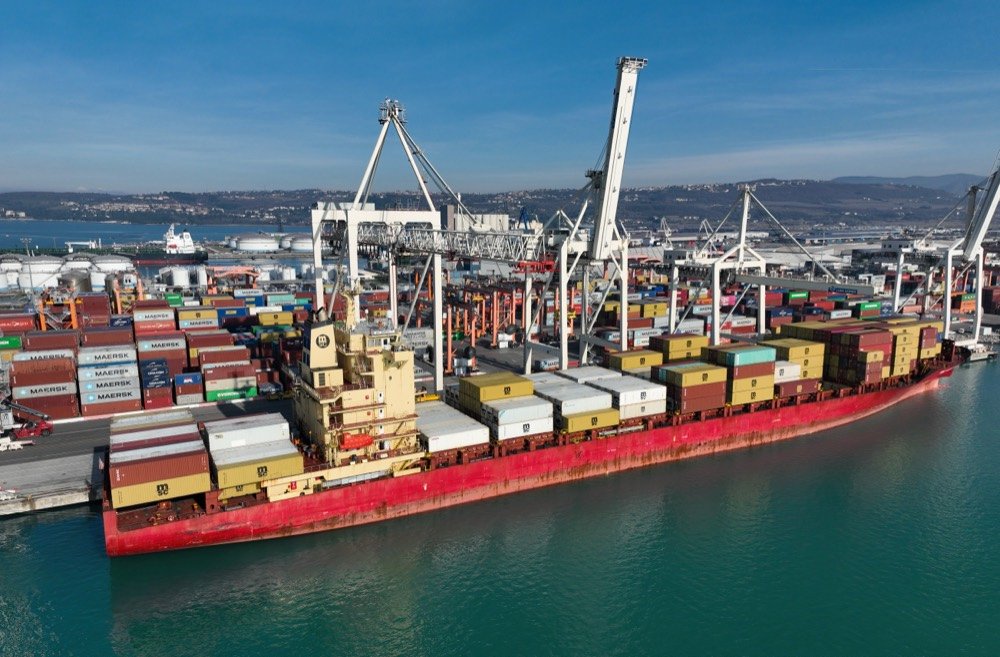
Container vessel working cargo at a terminal berth
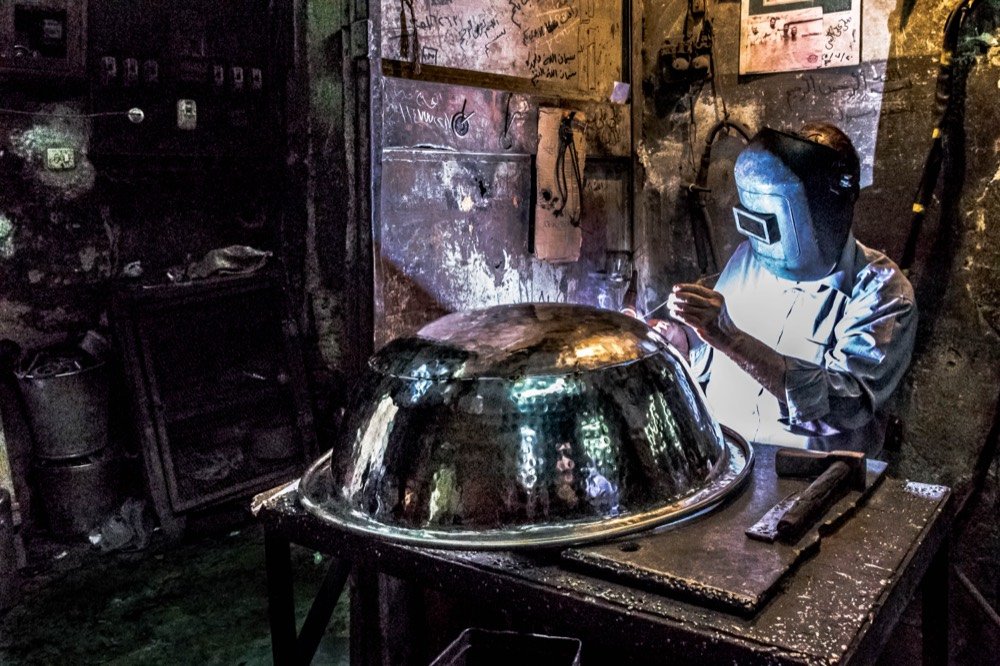
Metal fabrication — shaping and welding to class standards
Key Facts

Questions People Ask About Shipbuilding

It publishes technical rules for hull structure and machinery, approves the design against those rules, surveys construction in the yard, and then surveys the ship periodically throughout its service life. In practice a vessel without valid class is very difficult to insure or charter.

Block construction lets steelwork, piping and cabling be installed in an open workshop where access, lighting and welding position are all controlled. Only the joining work happens on the dock, which is the most expensive and weather-exposed part of the yard.

From 1 January 2020 the sulphur content of fuel oil used by ships outside designated emission control areas must not exceed 0.50% by mass, down from 3.50%. Operators comply by burning compliant low-sulphur fuel, switching to alternative fuels such as LNG, or fitting exhaust gas cleaning systems.

Ballast water loaded in one port and discharged in another can transfer invasive aquatic species between ecosystems. The IMO Ballast Water Management Convention requires ships to manage ballast water to a defined standard, which in practice usually means installing an approved treatment system.

Sector information on this page is drawn from openly published sources, including IMO conventions (SOLAS, MARPOL, the Ballast Water Management Convention and the 2020 sulphur cap) and UNCTAD's Review of Maritime Transport. Figures describe the global shipping and shipbuilding sector — they are not statements about APEX's own fleet, yard capacity or certifications.

Shipping, Chartering Or Dry-Docking Enquiry?

Tell us the vessel, the route and the timeline, and our marine desk will come back to you with the documentation and next steps.

Contact Us About APEX