Loading...
Art & Cultural Property

Antique

Antiques, Provenance And Responsible Trade
Sector Overview

Antiques, Provenance And Responsible Trade

An antique is an object valued for its age, craftsmanship, rarity and history. The working definition used most widely — and the one several customs authorities apply for classification, including in the United States — is an object at least 100 years old.

Value rests on four pillars: authenticity, provenance, condition and rarity. Provenance, the documented chain of ownership, carries as much weight as the object itself. A well-documented piece is easier to authenticate, easier to insure, easier to sell, and far less likely to carry a legal problem.

The trade operates inside a real legal framework. The UNESCO 1970 Convention commits States to act against the illicit import, export and transfer of ownership of cultural property; the UNIDROIT 1995 Convention addresses restitution of stolen or illegally exported objects; and national heritage law applies on top. In India, the Antiquities and Art Treasures Act, 1972 governs antiquities and generally prohibits their export.

Sourcing & inspection

Provenance research

Scientific authentication

Condition & conservation

Export & heritage compliance

Cataloguing & valuation
Talk To Our Desk
0

years of age is the common working definition of an antique

e.g. US customs classification

0

States Parties to the UNESCO 1970 cultural property convention

UNESCO

0

years of international rules against illicit trafficking in cultural property

UNESCO 1970 Convention

0

pillars of value: authenticity, provenance, condition, rarity

Standard connoisseurship

How A Piece Is Handled

Sourcing To Documented Transfer

01
Sourcing & First Inspection

The object is examined for construction method, materials, tool marks, wear and repair — the physical evidence that either supports or contradicts the story attached to it.

02
Provenance Research

Ownership history is reconstructed from export papers, collection and auction records and published literature, and checked against stolen-art databases such as the Art Loss Register and INTERPOL's stolen works of art database.

03
Authentication & Dating

Stylistic analysis is combined with scientific methods: thermoluminescence for fired ceramics, dendrochronology for timber, X-ray fluorescence for alloys and pigments, and ultraviolet light to reveal restoration.

04
Condition & Conservation

The aim is to stabilise, not to over-restore. Modern conservation follows the principle of reversibility — a treatment should be undoable by a later conservator with better methods.

05
Legal & Export Clearance

National heritage law decides what may leave a country. Where an object is or may be an antiquity, registration and permission from the competent authority are established before anything moves.

06
Cataloguing, Valuation & Transfer

A condition report, photographic record and valuation are prepared, and the transfer is documented so the provenance chain continues unbroken to the next owner.

Disciplines

What Sits Behind A Catalogue Entry

Provenance Research

Archive and database work that establishes where an object has been, who owned it and how it left its country of origin — the first question any serious buyer or museum asks.

Scientific Dating

Thermoluminescence, dendrochronology, radiocarbon dating and elemental analysis give an independent check on age and materials that connoisseurship alone cannot provide.

Compliance

UNESCO 1970, UNIDROIT 1995 and national heritage statutes such as India's Antiquities and Art Treasures Act, 1972 set the boundaries the trade has to work inside.

Objects & Collections

Ceramics, Metalwork And Coinage

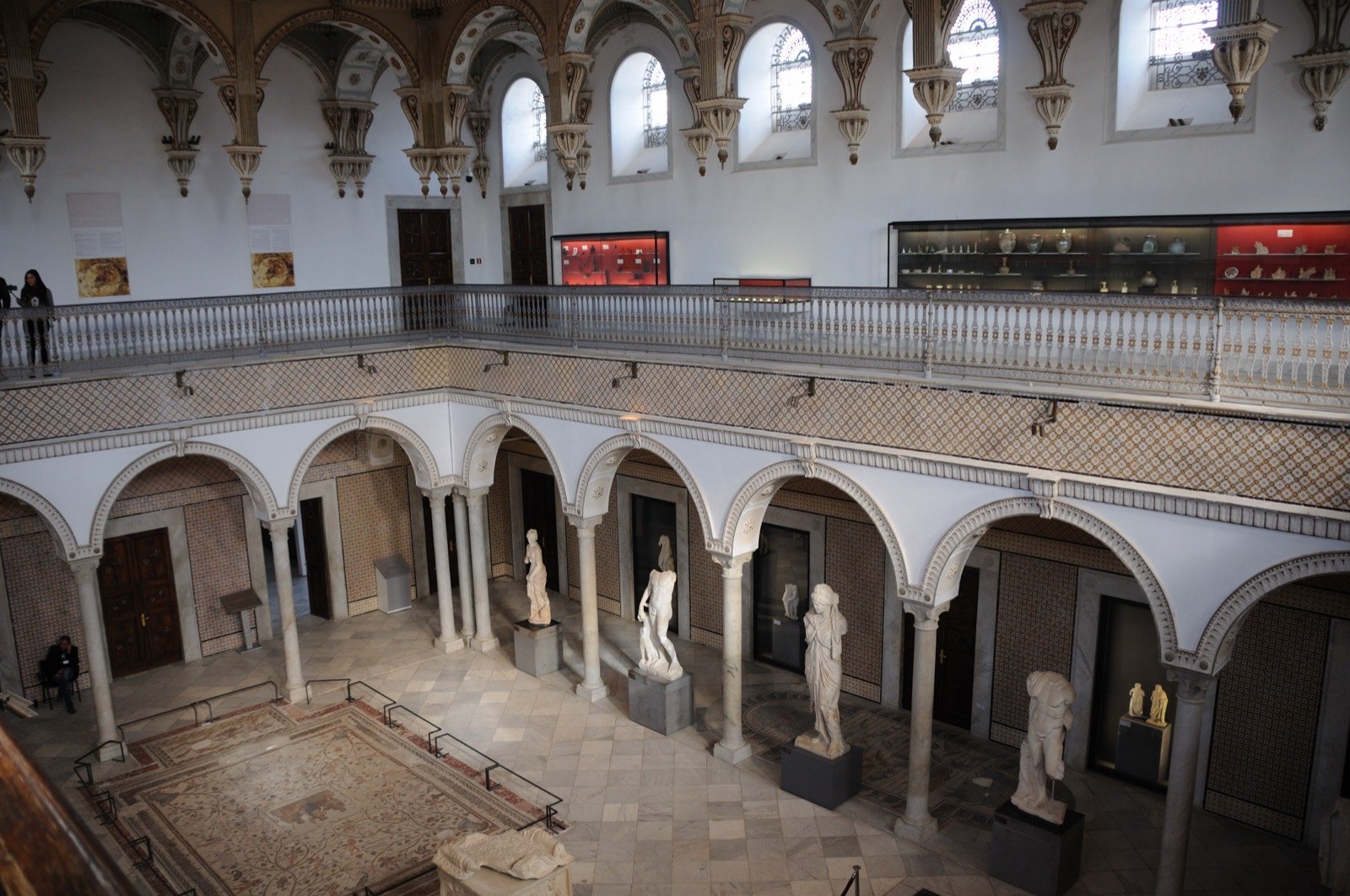
Museum gallery display of catalogued antiquities
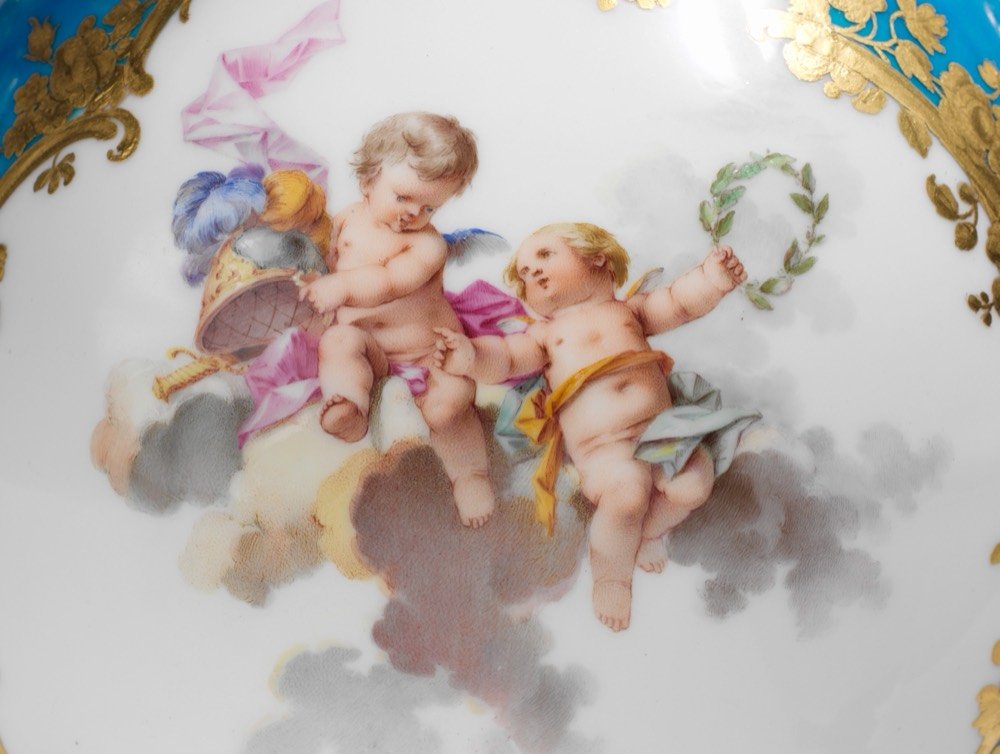
Decorated porcelain — condition and marks drive value
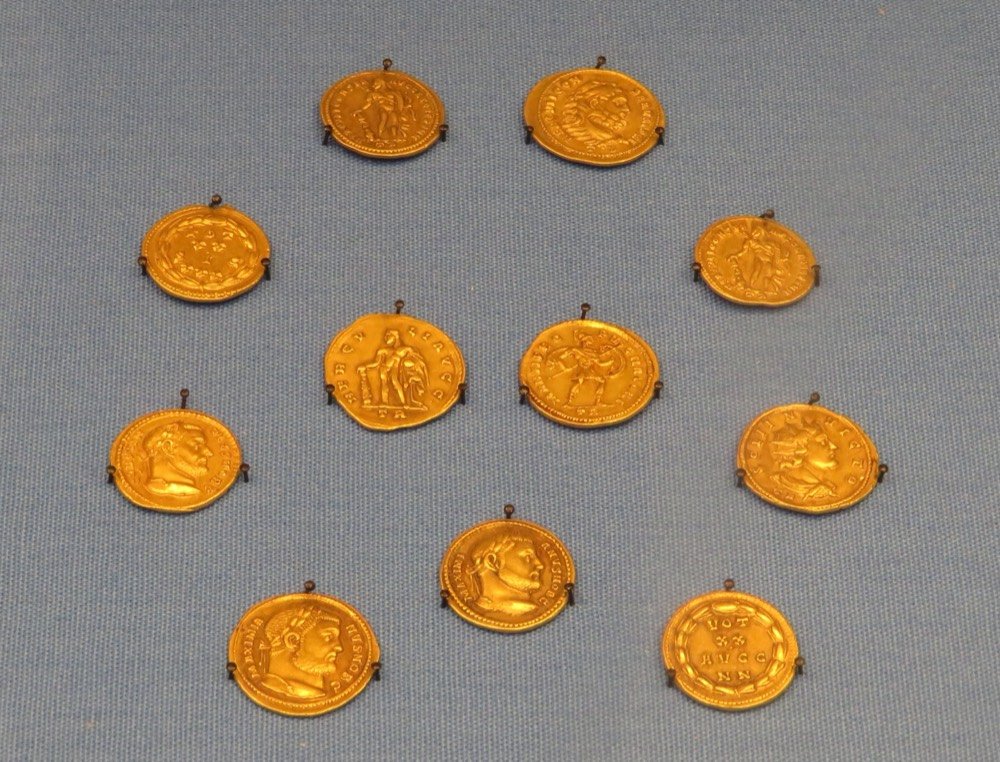
Gold coinage from a documented hoard
Key Facts

Questions People Ask About Antiques

The common threshold is 100 years, which is also the age several customs regimes use to classify goods as antiques. It is a convention rather than a scientific line, and specialist fields apply their own terms — 'vintage' and 'collectable' generally describe younger material.

It answers two separate questions at once: is the object genuine, and is it legally tradeable. A documented ownership history supports attribution, and it is the main evidence that a piece was not looted, stolen or illegally exported. Weak provenance depresses value even when the object itself is authentic.

It commits States Parties to take measures against the illicit import, export and transfer of ownership of cultural property — including export certification, restrictions on acquiring undocumented material, and cooperation on the recovery and return of illegally exported objects.

Conservation stabilises an object and slows its deterioration. Restoration goes further and returns lost elements or appearance. Current practice favours minimal, clearly documented and reversible intervention, because heavy restoration can destroy both evidence and value.

Sector information on this page reflects openly published sources including the UNESCO 1970 Convention, the UNIDROIT 1995 Convention and India's Antiquities and Art Treasures Act, 1972, together with standard conservation and authentication practice. It is general information about the antiques sector, not legal advice and not a description of APEX's own inventory or holdings. Cross-border movement of antiquities requires clearance from the competent national authority in each jurisdiction.

Acquisition, Valuation Or Provenance Enquiry?

Send us photographs, dimensions and whatever ownership history you hold, and our curatorial desk will tell you what further documentation a transaction would need.

Contact Us About APEX