Loading...
Upstream Energy

Oil Extraction

Finding And Producing Crude Oil
Sector Overview

Finding And Producing Crude Oil

Oil extraction — the upstream end of the petroleum industry — covers everything from locating a reservoir to bringing hydrocarbons to the surface and preparing them for transport: exploration, appraisal, drilling, completion, production and field processing.

Hydrocarbons collect where a porous reservoir rock is sealed by an impermeable cap rock in a structural or stratigraphic trap. Seismic surveys image those structures before anyone drills, because a single offshore well is an expensive way to find out that a prospect is dry.

Production runs in stages. Primary recovery uses the reservoir's own pressure; secondary recovery injects water or gas to maintain it; tertiary or enhanced oil recovery uses heat, chemicals or CO2 to move oil that would otherwise stay in the rock. Crude is then separated from gas and water, stabilised, and sent on by pipeline or tanker.

Seismic & exploration

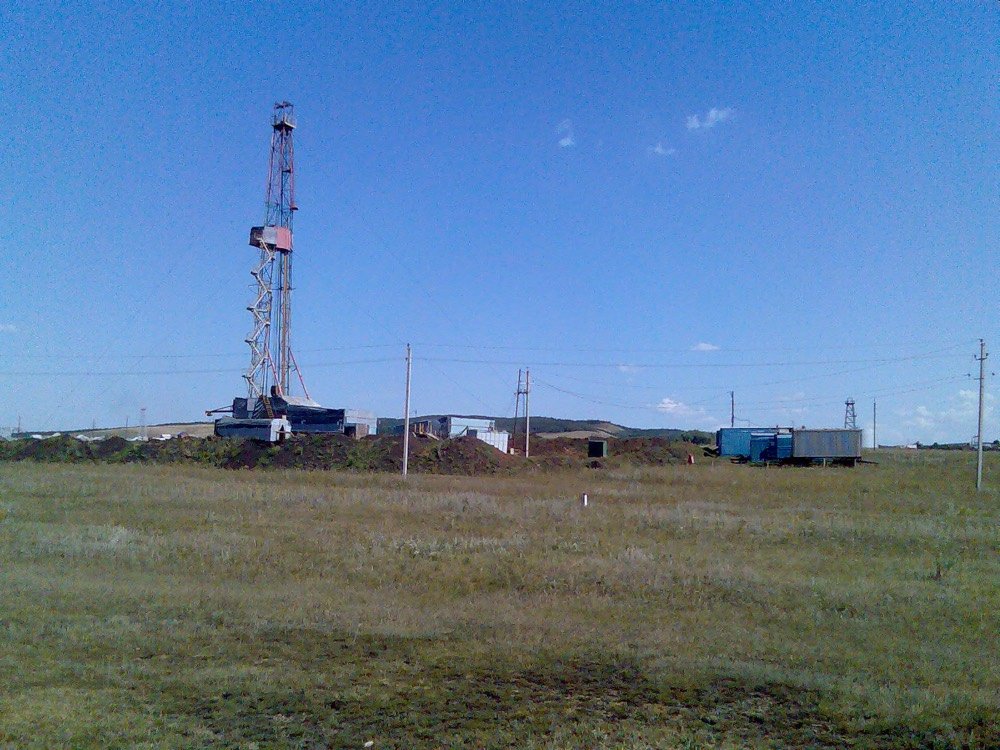
Drilling & completion

Primary production

Enhanced recovery

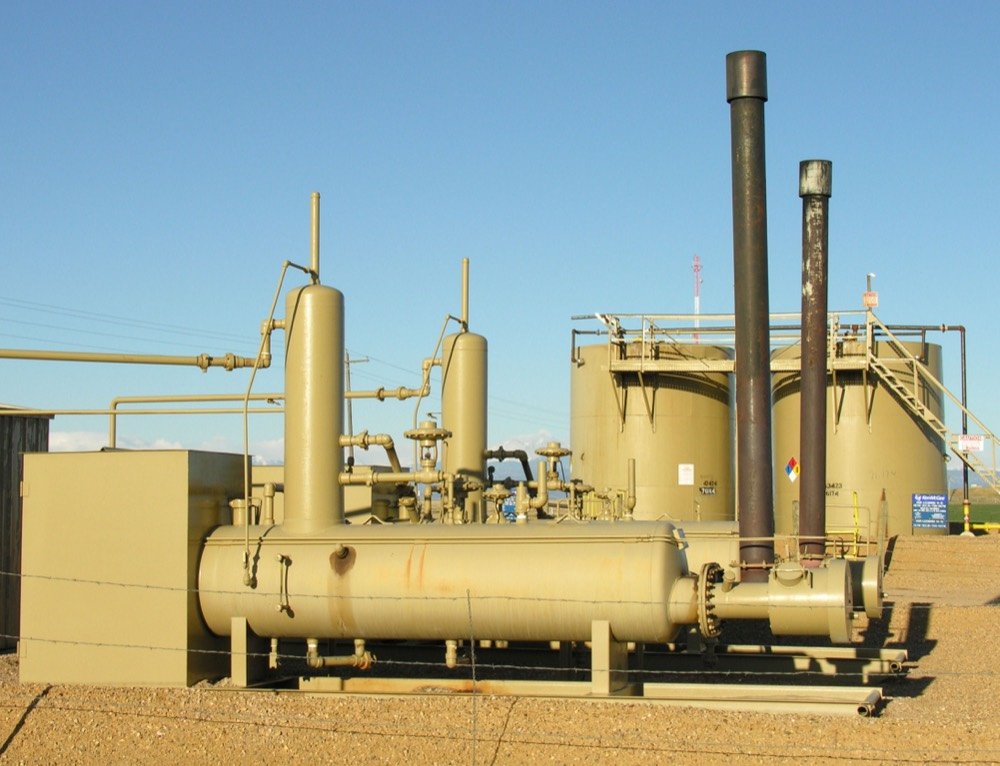
Separation & treatment

Pipeline & tanker transport
Talk To Our Desk
0

US gallons in a standard barrel of crude — about 159 litres

Standard industry measure

0

million barrels a day of global oil demand

IEA Oil Market Report

0

recovery stages: primary, secondary and enhanced

Standard reservoir engineering

0

sulphur content is the usual line between sweet and sour crude

Common crude classification

The Upstream Sequence

From Seismic Line To Storage Tank

01
Seismic Survey

Controlled acoustic pulses reflect off rock layers and are recorded; processing turns the returns into a two- or three-dimensional image of the subsurface.

02
Exploration & Appraisal

A wildcat well tests whether hydrocarbons are actually present. Appraisal wells then map the extent, quality and productivity of the reservoir before development is sanctioned.

03
Development Drilling

Production wells are drilled, cased and cemented to isolate formations, then perforated and completed with tubing, packers and a wellhead.

04
Primary Production

Reservoir pressure drives fluids to surface on its own. As pressure declines, artificial lift — rod pumps, electric submersible pumps or gas lift — takes over.

05
Secondary & Enhanced Recovery

Water or gas injection maintains reservoir pressure. Thermal, chemical and CO2 methods target the oil that pressure maintenance alone will not move.

06
Separation & Transport

Produced fluids are separated into oil, gas and water. Crude is stabilised and metered, then moved by pipeline or tanker to a refinery.

Operations

Where The Work Happens

Offshore

Jack-up rigs, semi-submersibles and drillships each suit a different water depth; production runs through fixed platforms or floating production, storage and offloading vessels.

Refining

Fractional distillation splits crude by boiling range; cracking, reforming and treating then convert those fractions into fuels, lubricants and petrochemical feedstock.

Well Control & HSE

Casing design, mud weight and the blowout preventer form the well-control barriers. Environmental management covers produced water, flaring and spill response planning.

Field Operations

Rigs, Refineries And Pipelines

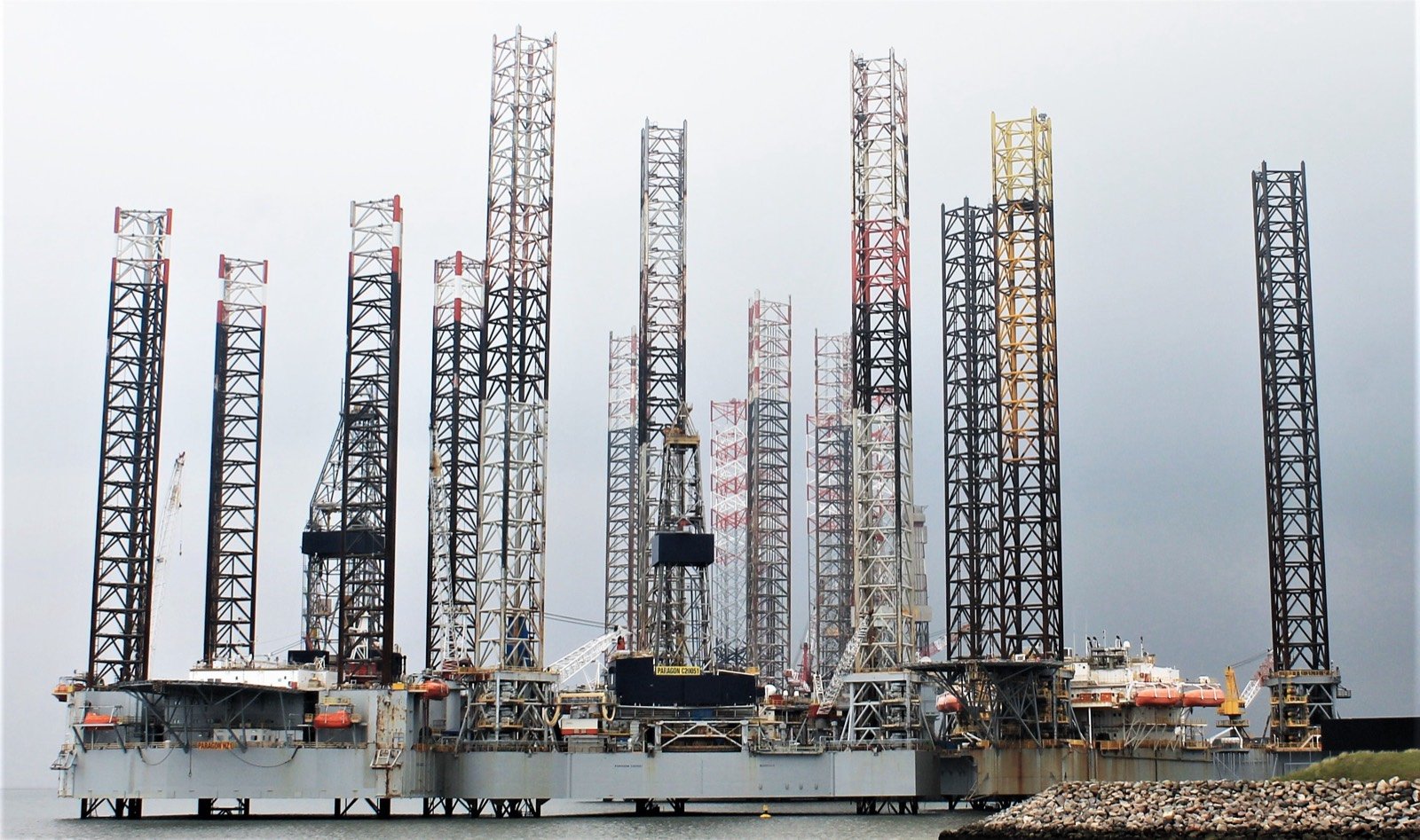
Offshore drilling units alongside in port
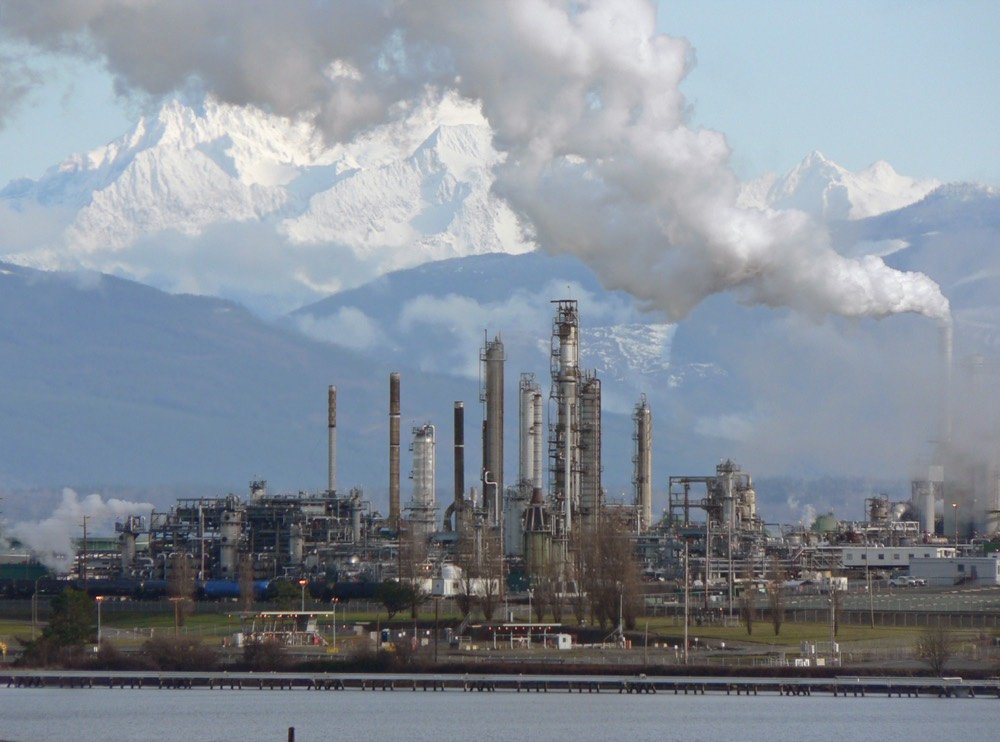
Refinery complex — distillation and conversion units
Pipeline pumping station moving crude to market
Key Facts

Questions People Ask About Oil Production

The share of the oil originally in place that is actually produced. Conventional fields commonly recover a minority of what the reservoir holds using primary and secondary methods; enhanced oil recovery exists to lift that share, and small percentage gains on a large field are economically significant.

API gravity is a density scale for crude oil, inverse to specific gravity: the higher the number, the lighter the crude. Light crudes yield more high-value products per barrel with less processing, which is why they usually price at a premium to heavy crudes.

Sulphur content. Crude with roughly less than half a percent sulphur is called sweet; above that it is sour. Sour crude needs more treating to meet fuel specifications, so it typically trades at a discount.

Associated gas is separated at the field. Depending on infrastructure it is reinjected to maintain reservoir pressure, gathered and sold, or liquefied. Routine flaring is increasingly restricted by regulators and by operators' own emissions commitments.

Sector information on this page is drawn from openly published sources including the International Energy Agency's Oil Market Report and standard reservoir and petroleum engineering practice. Figures describe the global upstream sector — they are not statements about APEX's own reserves, production or licences.

Energy Supply Or Trading Enquiry?

Send us the product, volume and delivery terms you are working with and our energy desk will respond with the commercial and documentary requirements.

Contact Us About APEX