Loading...
Mining & Metallurgy

Metal Extraction

Turning Ore Into Refined Metal
Sector Overview

Turning Ore Into Refined Metal

Metal extraction is the process of obtaining metals from their ores. An ore is a naturally occurring rock that contains a metal compound in a concentration high enough to be worth mining — which makes an ore an economic definition as much as a geological one.

Which route is used depends on where the metal sits in the reactivity series. Very reactive metals such as aluminium and magnesium are won by electrolysis of a molten compound. Moderately reactive metals such as iron, zinc and copper can be reduced with carbon or by roasting and smelting. Unreactive metals such as gold and platinum occur largely as the native metal and mainly need physical separation.

The general path is the same across most operations: mine the ore, crush and grind it until the valuable mineral is liberated, concentrate it, break the chemical bond holding the metal, then refine the product to specification. Secondary production — remelting scrap — follows a much shorter and far less energy-intensive path.

Resource definition

Open-pit & underground mining

Crushing & grinding

Flotation & concentration

Smelting & leaching

Refining & casting
Talk To Our Desk
0

less energy to recycle aluminium than to produce it from ore

Widely cited industry figure

0

copper purity delivered by electrolytic refining

LME Grade A cathode specification

0

approximate operating temperature of a Hall–Héroult cell

Hall–Héroult aluminium process

0

core stages: mining, comminution, concentration, extraction

Standard process metallurgy

The Extraction Route

Six Stages From Rock To Metal

01
Prospecting & Resource Definition

Geological mapping, geochemistry and drilling establish grade and tonnage. A resource only becomes a reserve once it is demonstrably economic and legally extractable.

02
Mining

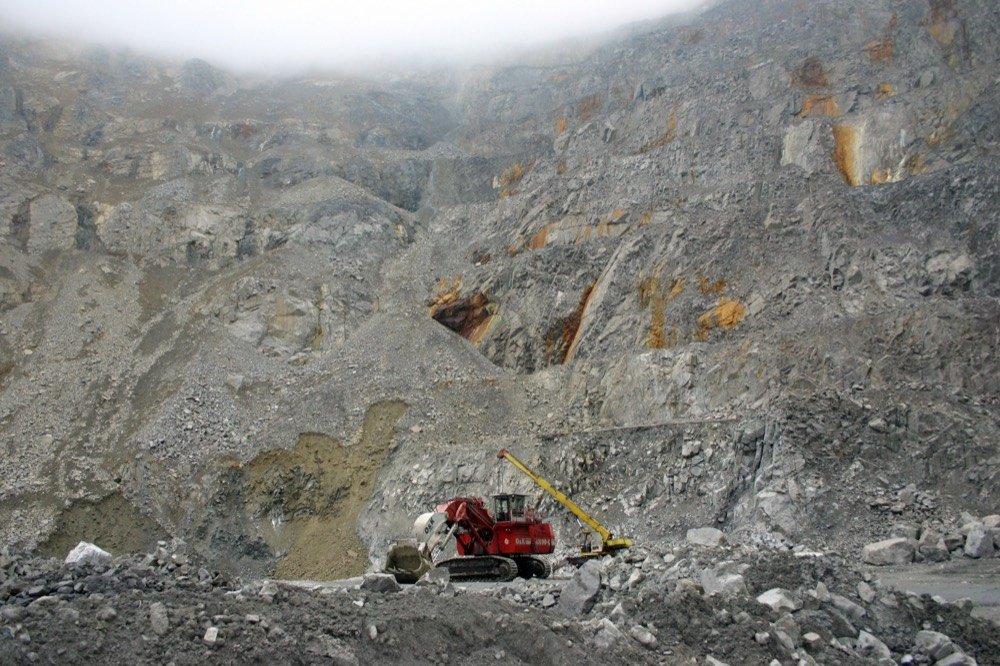
Open-pit methods suit shallow, wide orebodies; underground methods suit deep or narrow ones. Drilling, blasting, loading and haulage deliver ore to the plant.

03
Comminution

Crushers and mills reduce the ore step by step until the valuable mineral grains are physically liberated from the surrounding waste rock.

04
Concentration

Froth flotation, gravity separation or magnetic separation raise the metal content of the stream and reject most of the gangue as tailings.

05
Extraction

Pyrometallurgy — roasting and smelting — or hydrometallurgy — leaching and solvent extraction — breaks the chemical bond between the metal and the rest of the mineral.

06
Refining & Casting

Electrolytic or chemical refining lifts purity to specification, and the metal is cast into cathodes, ingots, billets or slabs for onward processing.

Process Routes

Three Ways To Win A Metal

Pyrometallurgy

Heat does the work. Blast furnace ironmaking reduces iron oxide with coke and limestone flux; copper smelting produces matte, then blister copper for refining.

Hydrometallurgy

Chemistry does the work. Leaching dissolves the metal into solution, and solvent extraction with electrowinning recovers it — standard for much copper, gold, nickel and uranium production.

Secondary Metal

Scrap is remelted rather than reduced from ore. Steel is the most recycled material by mass, and recycled aluminium needs only a small fraction of the energy of primary metal.

Mine To Mill

Pits, Furnaces And Fleets

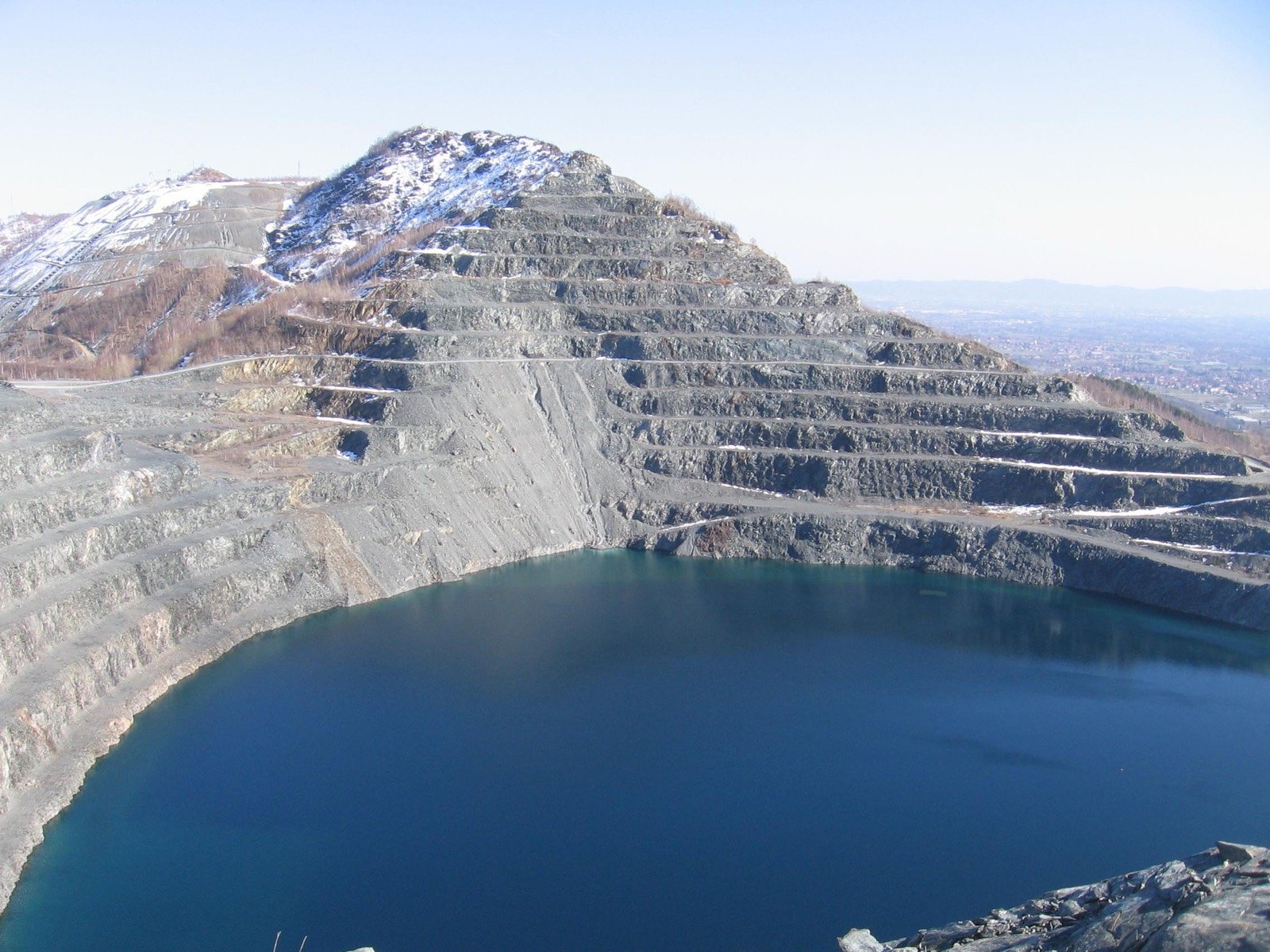
Terraced open-pit workings with a flooded lower bench
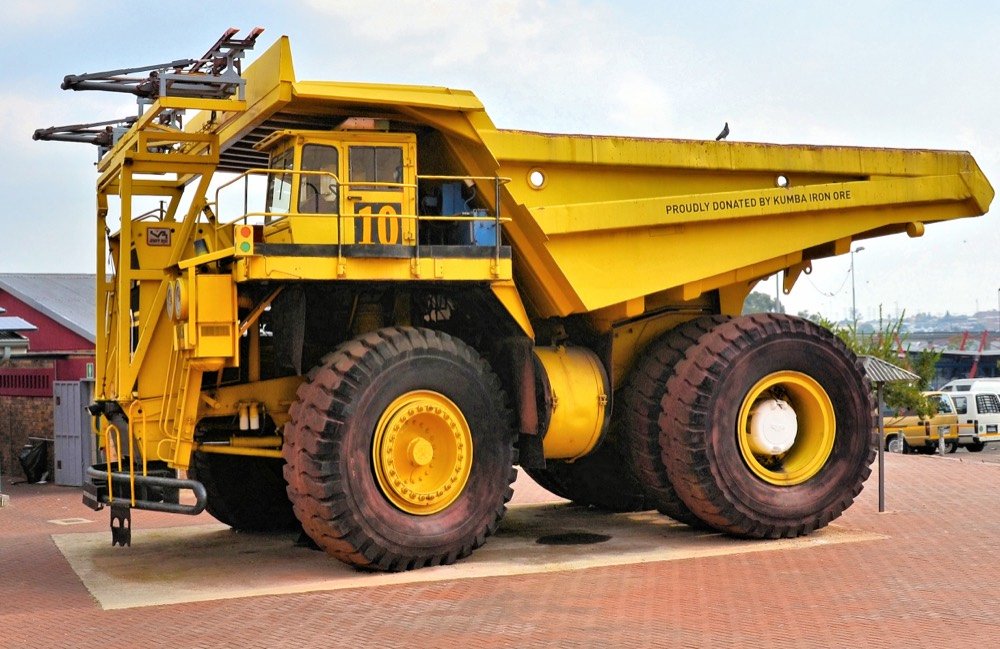
Haul truck of the type used to move ore in open-pit mines
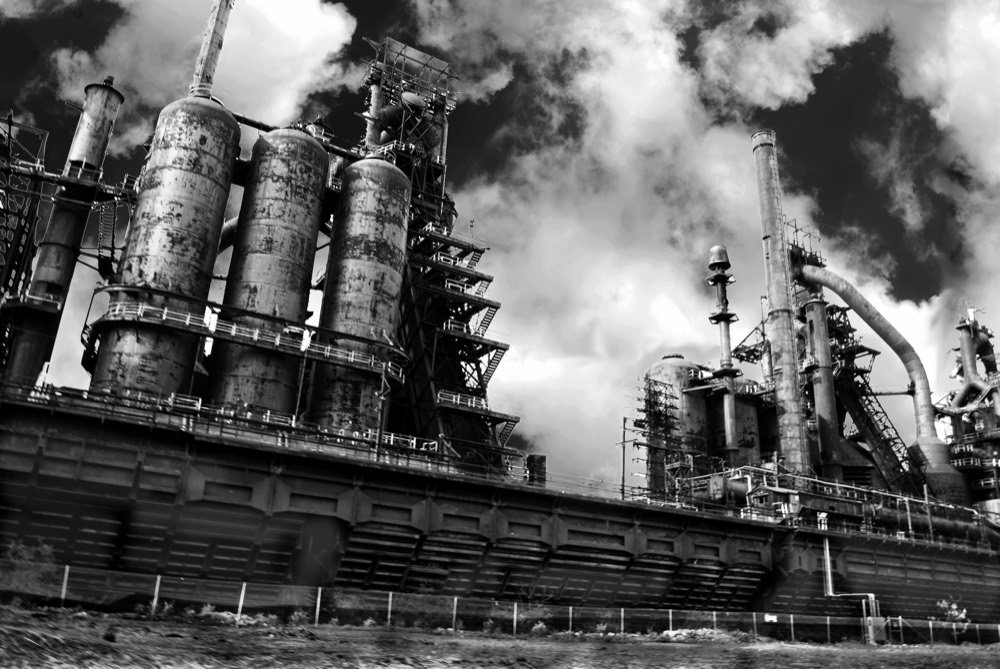
Blast furnace plant — carbon reduction of iron ore
Key Facts

Questions People Ask About Metal Extraction

Because they differ in how strongly they hold on to oxygen and other elements. Metals above carbon in the reactivity series cannot be reduced with carbon economically, so they are extracted by electrolysis. Metals below carbon can be smelted with coke. The least reactive metals are found as native metal and need little chemical treatment at all.

Ground ore is mixed with water and reagents that make the target mineral water-repellent. Air is bubbled through the slurry, the treated particles attach to the bubbles and rise as a froth, and that froth is skimmed off as concentrate while the wetted waste sinks.

Tailings are the ground rock and process water left after the valuable mineral has been removed, usually stored behind an engineered dam. Because a tailings dam failure is one of the most serious accidents in mining, current practice emphasises thickened or dry-stacked tailings, independent design review and continuous monitoring.

A mineral resource is a concentration of material with reasonable prospects of eventual economic extraction. A reserve is the part of that resource which a study has shown can be mined economically and legally under current conditions. Reserves are the smaller, harder-tested number.

Sector information on this page reflects standard process metallurgy and openly published industry references, including the LME Grade A cathode specification and the Hall–Héroult process. Figures describe the global mining and metals sector — they are not statements about APEX's own mines, output or reserves.

Metals Or Raw Material Enquiry?

Share the metal, grade and quantity you need and our commodities desk will confirm specification, inspection and shipping terms.

Contact Us About APEX